
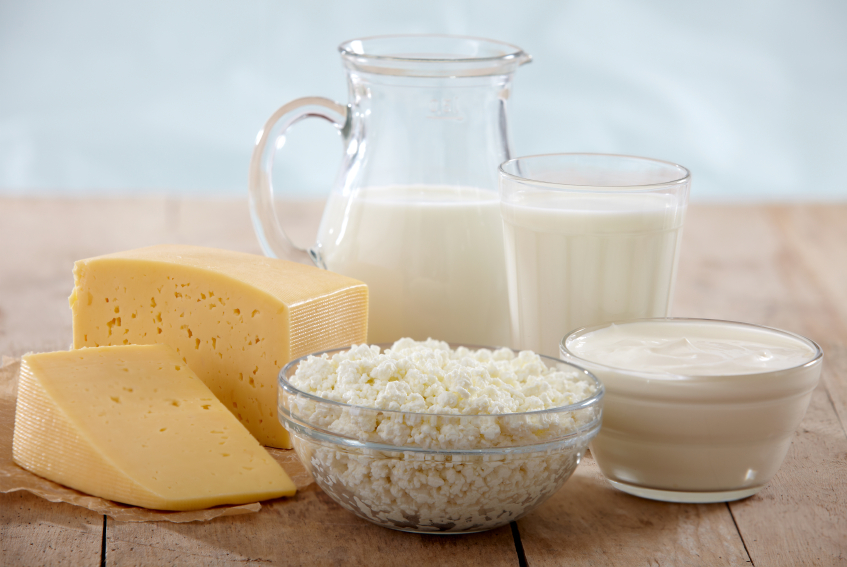
If you grew up in the seventies or eighties, chances are you drank milk — and a lot of it.
Then the fat-phobia took hold, and everyone switched to skim milk.
And in the last decade, with lactose issues becoming more prominent, and more folks concerned about what’s in their milk, an entirely new crop of milk has become the norm. No longer are your choices whole, 2 percent, skim and soy at Starbucks; you can now order almond, organic and even coconut.
But which is better for you? Should you drink whole or skim? No dairy? What about the environmental impact of almonds?
DAIRY OPTIONS:
- WHOLE
For a period of time it was thought that whole milk was unhealthy. And while it contains more fat and more calories than skim, the fat that is part of whole milk actually helps you absorb the other nutrients in milk, namely vitamins A, D, E and K. Best bet: Buy milk with at least a little fat.
- ORGANIC
What about organic, grass-fed, and rBST-free? Organic milk is from cows that are fed organic feed and have been allowed to graze on grass for some part of their diet; organic milk is thought to have higher levels of omega-3 fatty acids.
- 100 PERCENT GRASS-FED
100 Percent Grass-fed is from cows that are only grazing on grass year-round. Grass-fed is higher in omega-3 fats, vitamin E, and conjugated linoleic acid. And rBST-free milk means it’s free of this added hormone. (P.S. Other countries have banned the use of rBST in cows, including Canada, Japan, and much of the European Union.)
- RAW OR NON-HOMOGENIZED?
Non-Homogenized milk hasn’t been put under pressure to create a homogenous consistency. Some folks believe that homogenization promotes inflammation, but there isn’t enough research to back this claim. Others that have slight issues to lactose have said that non-homogenized is easier to digest. Raw milk, much harder to find hasn’t been treated or pasteurized in anyway. Proponents claim that this ensures vital enzymes are not destroyed that are needed to digest; however, conventional wisdom suggests that by not pasteurizing one is exposed to bacteria and illness and according to the FDA and CDC—severe health risks.
- NONDAIRY:
Soy. Soy used to be the non-dairy alternative, but it has come into much controversy in the last 15 years. The reason is that much of the soy produced in the U.S. is genetically modified and/or sprayed with chemicals. Soy has been link when consumed in large amounts to hormone disruption. Soy is probably not the best option for a go-to substitute.
Rice. Rice is perhaps the easiest to digest of the non-dairy milks, however, it hardly is nutritious made primarily of rice syrup and brown rice starch as well as thickening agents. Plus, one of the additives found in some rice milks is carrageenan, which has been associated with a variety of health conditions. Best bet? Make at home!
Coconut. Coconut milk supplies a healthy dose of fat, and not an unhealthy variety; instead, coconut fat is not easily stored in the body because its made of medium-chain triglycerides. If you go for coconut, look for brands that have few additives, little to no added sugar, and are BPA-free.
Hemp. Hemp milk is rich in omega-3 fatty acids, protein, fat, and a host of minerals and vitamins. This is an excellent choice for those looking to get some of the health benefits of dairy without the dairy itself.
Almond. Almond milk contains less fat and protein than regular milk but can be a great substitute for those looking for a creamier, non-dairy beverage. However, almonds are water-intensive plants; it takes over one gallon of water to grow 1 almond. With that in mind, it might be best to switch out your almond beverage on occasion. Curious about how thirsty your food choices are? Check out this graphic from Mother Jones magazine. http://www.motherjones.com/environment/2014/02/wheres-californias-water-going
So, which one is best? One that contains some fat, doesn’t upset your stomach and has the fewest additives. And in the dairy department, the same rules apply, but also look for grass-fed!

With her love of health and writing, Melissa has written for such publications as Shape, Natural Solutions, Yoga Journal, Self and Pilates Style, and has created recipes and food-oriented stories for such publications as Delicious Living and Cooking Light.
- Saving Our Coral Reef One Tube of Sunscreen at a Time. - June 28, 2018
- Healing Tonics: 5 Ingredients You Need to Cure All That Ails You. - May 3, 2018
- Is it Addiction? 4 Surprising Culprits Behind Your Gnawing Sugar Cravings. - April 20, 2018