
By Sarah Witts, HL&S Guest Blogger and contributor for Erik Organic, an online retailer of fine baby cribs
Tomorrow, we’ll give you a rundown of natural body detoxers in our Daily Retreat & Renew tip (if you don’t already receive them in your inbox, click on the link to sign up!). But in the meantime, we want to talk about how to detox your house of harmful products and materials that could be causing poor indoor air quality!
Indoor air quality refers to the quality of air that exists around structures, buildings and homes. The better the indoor air quality, the better it is for your health and comfort. As experts learn more about indoor air quality, their findings indicate that there are many products that can increase or decrease the quality of air around us. With this research available, homeowners can take the necessary steps to avoid toxic products that may cause poor indoor air quality. Here’s how to make your home healthier for everyone.
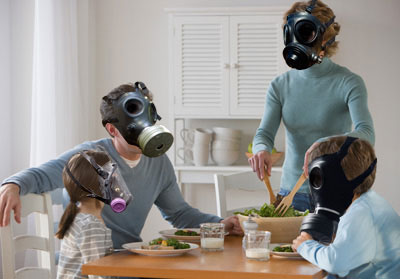
Limit poor indoor air quality by following these tips.
Here’s how to do it!
Limit the Use of VOC Products
VOCs or Volatile Organic Compounds come from various liquids and solids and are emitted as harmful gases. There are many chemicals that are found within VOCs and they are known to cause both short- and long-term side effects on health and comfort. In the majority of cases, VOCs are found in much higher levels indoors than outdoors. That is because they come from such products as paints, pesticides, office equipment and cleaning supplies.
It’s important to choose products that are VOC-free or at least have a limited amount of these chemicals. For starters, choose all-natural cleaning agents that are made from plant-based materials. Or, make your own solutions using vinegar and water. Do the same with paints, pesticides and craft materials. Also consider the type of finish that is being used on furnishings so that you can make a smart decision about the products you bring into the home.
Keep the Home Well-Ventilated
One of the most effective ways to improve indoor air quality in the home is to keep it well ventilated. Open the windows on a routine basis to let the outdoor air mix in with the indoor air. This breaks up the levels of VOCs and helps to clear out dust and debris. It’s also important to ventilate the home when cleaning, painting or working on arts and crafts. Also buy products in small quantities and throw away what you don’t use. This prevents harmful chemicals from leeching into the air.
Choose Reclaimed Wood Products
Instead of buying particleboard or plywood, opt for reclaimed wood products. Reclaimed wood is made from recycled materials and doesn’t use formaldehyde, a human carcinogen that is known to pollute indoor air. However, it’s important to note that even reclaimed wood can have VOCs. This type of wood is made from recycled wood components and it can be difficult to determine how the wood materials have been treated over their lifetime. That said, reclaimed wood is the better choice and limits the emissions of VOCs.
Test for Lead Paint
While there are many products that can be controlled on your own, the paint in your home is not one of them. If your home was built before 1978, you will need to check the paint for lead. A professional will need to do this job, as he will know the proper precautions to take. Lead, even in very small amounts, has been known to cause permanent brain damage. It can also linger on such items as stuffed animals. Today’s paints are made lead-free, but it’s still advisable to paint with extreme caution. Open windows and keep pregnant women and children away from the fumes.
Some Articles Related To Avoid Toxic Products :

- Growing Vegetables From Scraps—16 Easiest Veggies. - August 12, 2026
- The Healing Power of Art — A Spa Day for Your Soul - July 25, 2026
- Guided Geothermal Wellness Retreats: The Next Phase of Wellness Travel - May 19, 2026